

How automation and modular systems are reshaping commercial ready cell therapies
Are today’s cell therapy facilities built for tomorrow’s realities?
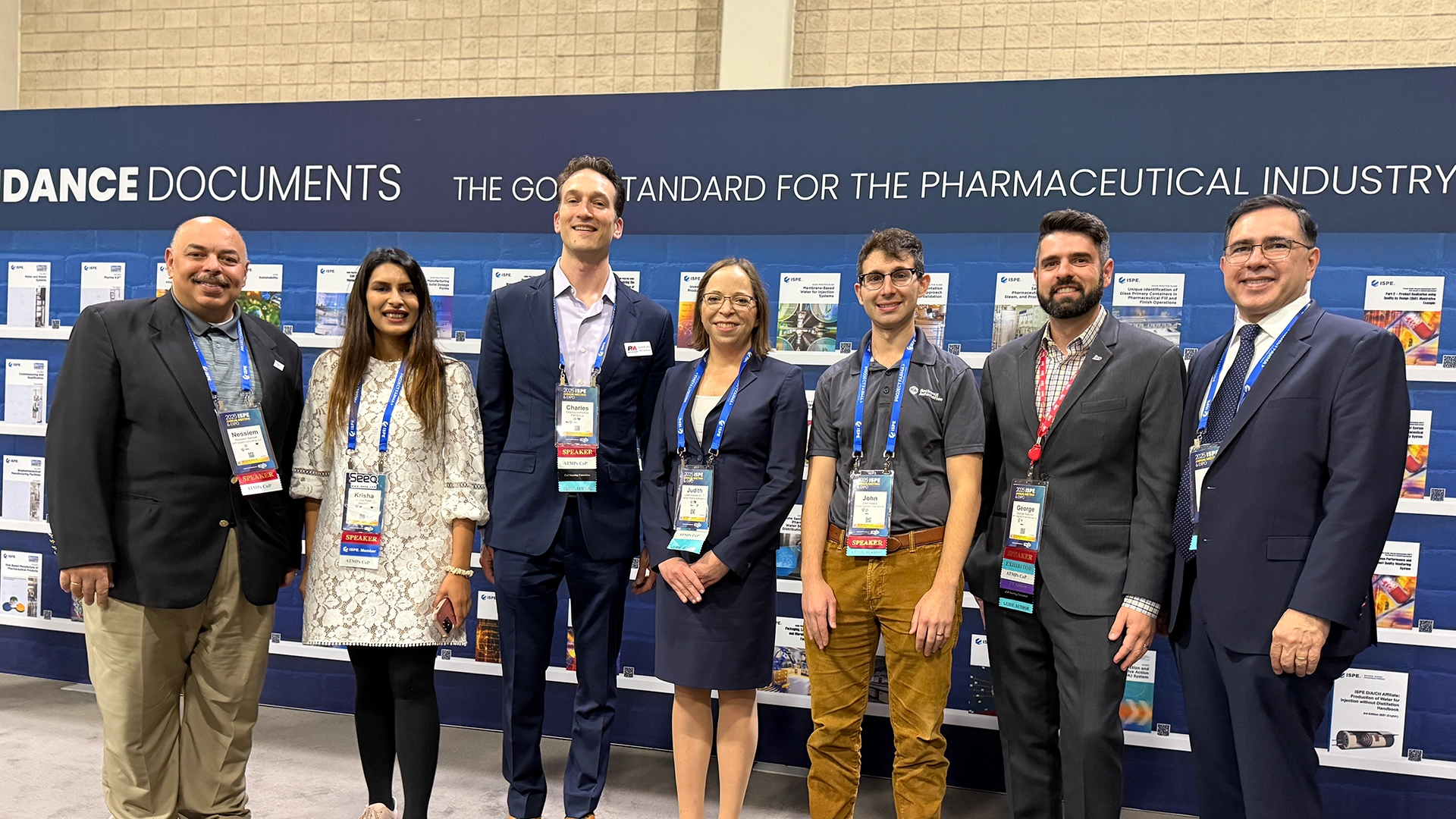
At ISPE Europe Annual Conference 2026, Charles Heffernan, Director of Advanced Biologics at PM Group alongside Kevin Vela, Senior Manager, Strategic Partnerships, Cell and Gene Therapy at Catapult and Dan Strange, CTO at Cellular Origins, explored this question. They uncovered what it means for organisations trying to scale advanced therapies safely and reliably.
For many teams, the science is strong - but scaling production without losing control is much harder. Early-stage cell therapy workflows often depend on expert judgement and manual interventions. As Charles explained, “Craftsmanship can work in early lab scale development, but it becomes a bottleneck when every batch must behave the same way for patients. Robotic Cell therapy platforms offer a robust, scalable, modular solution which address real world pain points and can improve patient access.”
From tools to true system‑level automation
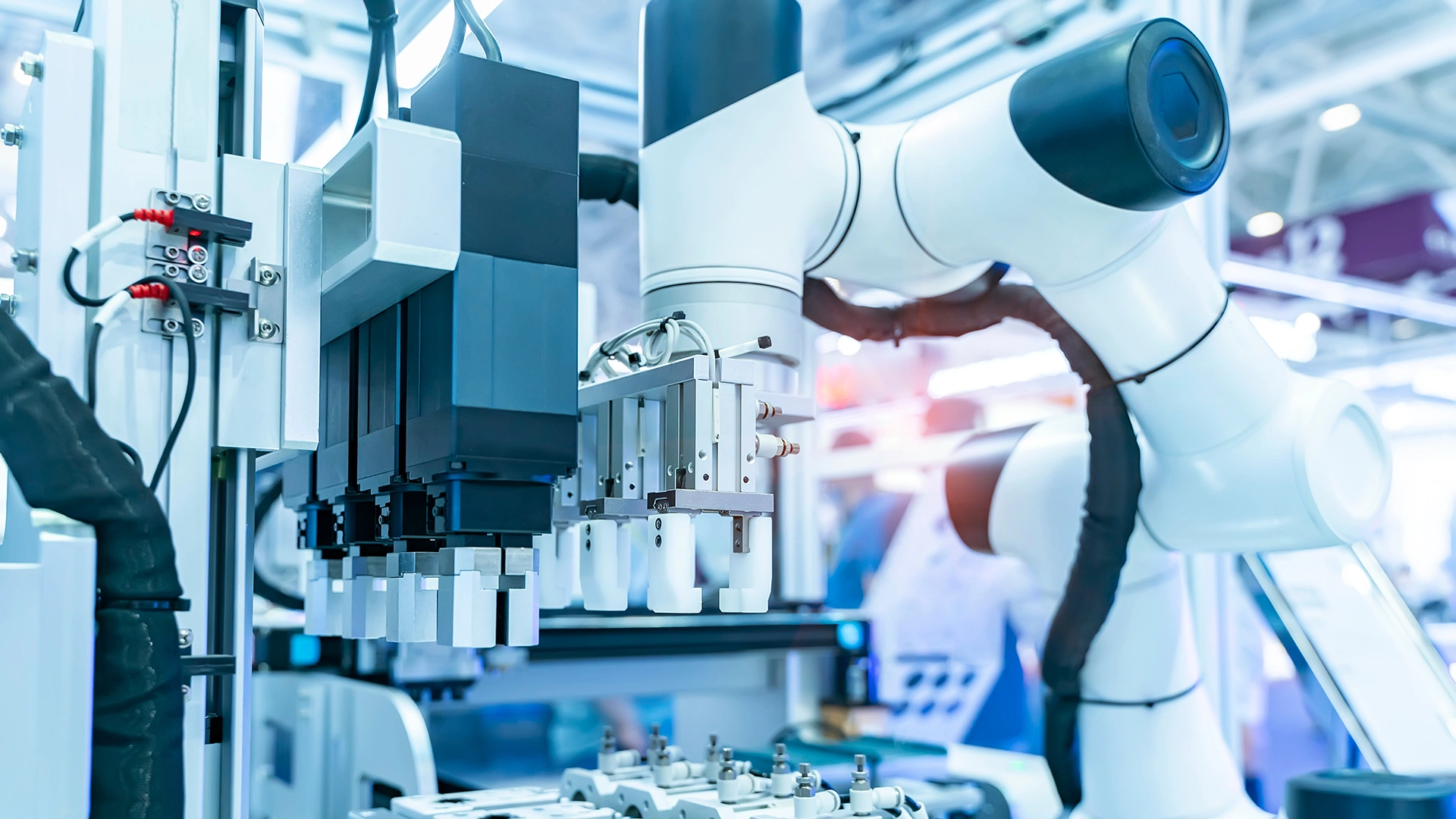
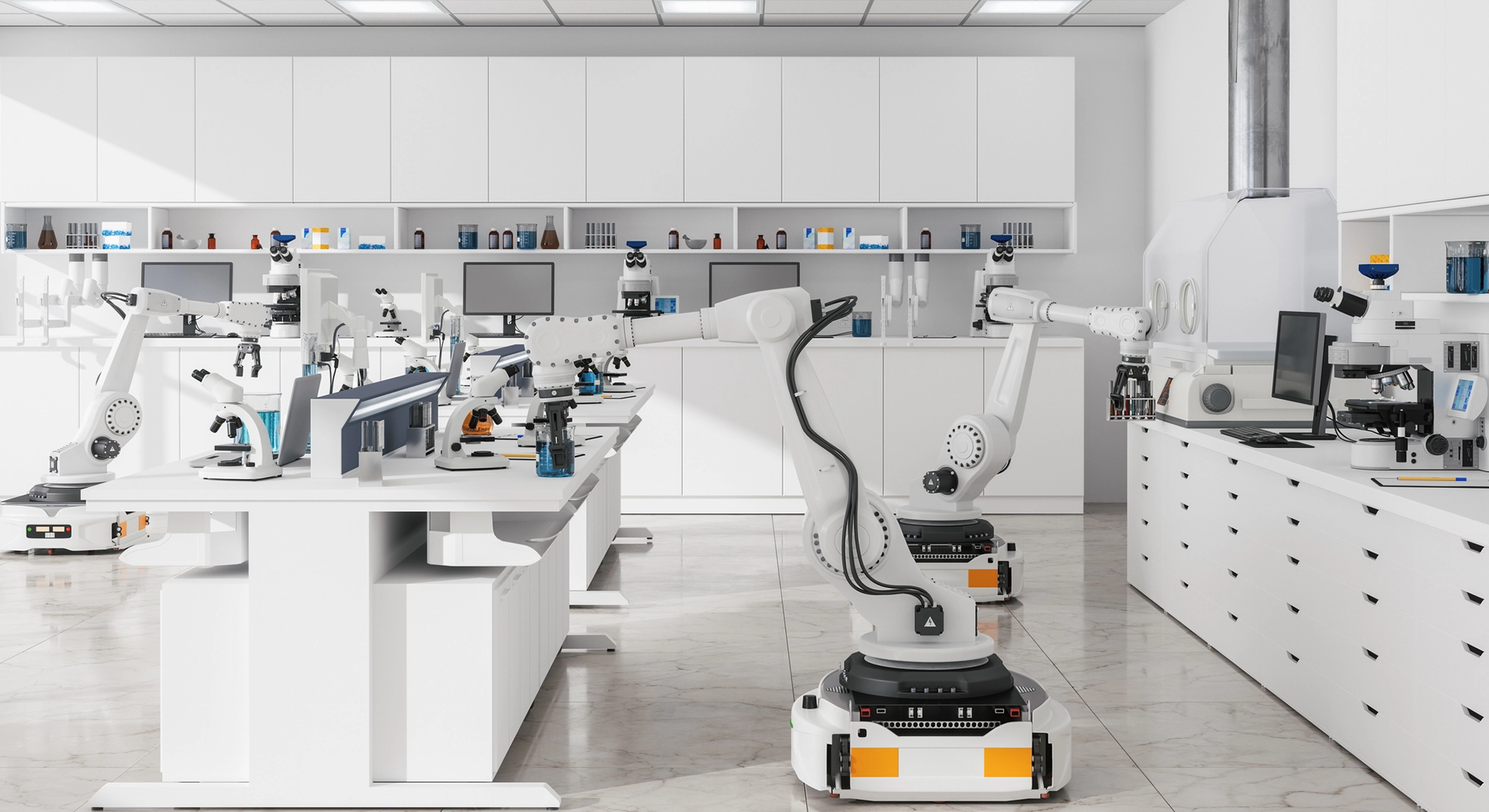
A key lesson from the session was that Pharma 4.0 in CGT is not about isolated automation. Instead, it’s about systems that work as one. Robotics, analytics, sterility controls and modular work cells must now operate together, adjusting and responding as conditions change.
“Automation becomes transformative only when every element communicates — not just when a robot performs a task,” said Charles.
This integrated approach also opens a better path to scale. Instead of rebuilding cleanrooms or re‑qualifying entire facilities, developers can grow capacity by adding modular, pre‑validated units. This cuts cost, reduces downtime and creates a smoother transition from Phase I to commercial supply.
A more controlled future
Autonomous manufacturing does not remove the role of people - it strengthens it. Teams gain better data, fewer variables and more predictable outcomes. The result is safer, more consistent and more commercially viable cell therapy production.
Explore more of our Insights on future‑ready facilities and therapies: