

Rethinking On-Site Energy for Europe’s Next Generation Data Centres


Across Europe, power is fast becoming the primary constraint on data centre delivery.
In several markets, access to electricity is now the single biggest determinant of whether a project proceeds.
Grid connection timelines, price volatility and tightening sustainability requirements are making long-term energy planning more complex. The implication is clear: without a credible and deliverable power strategy, even well-located and well-funded projects are at risk of delay.
From utility constraint to strategic driver
This shift is fundamentally changing how data centres are planned, designed and delivered.
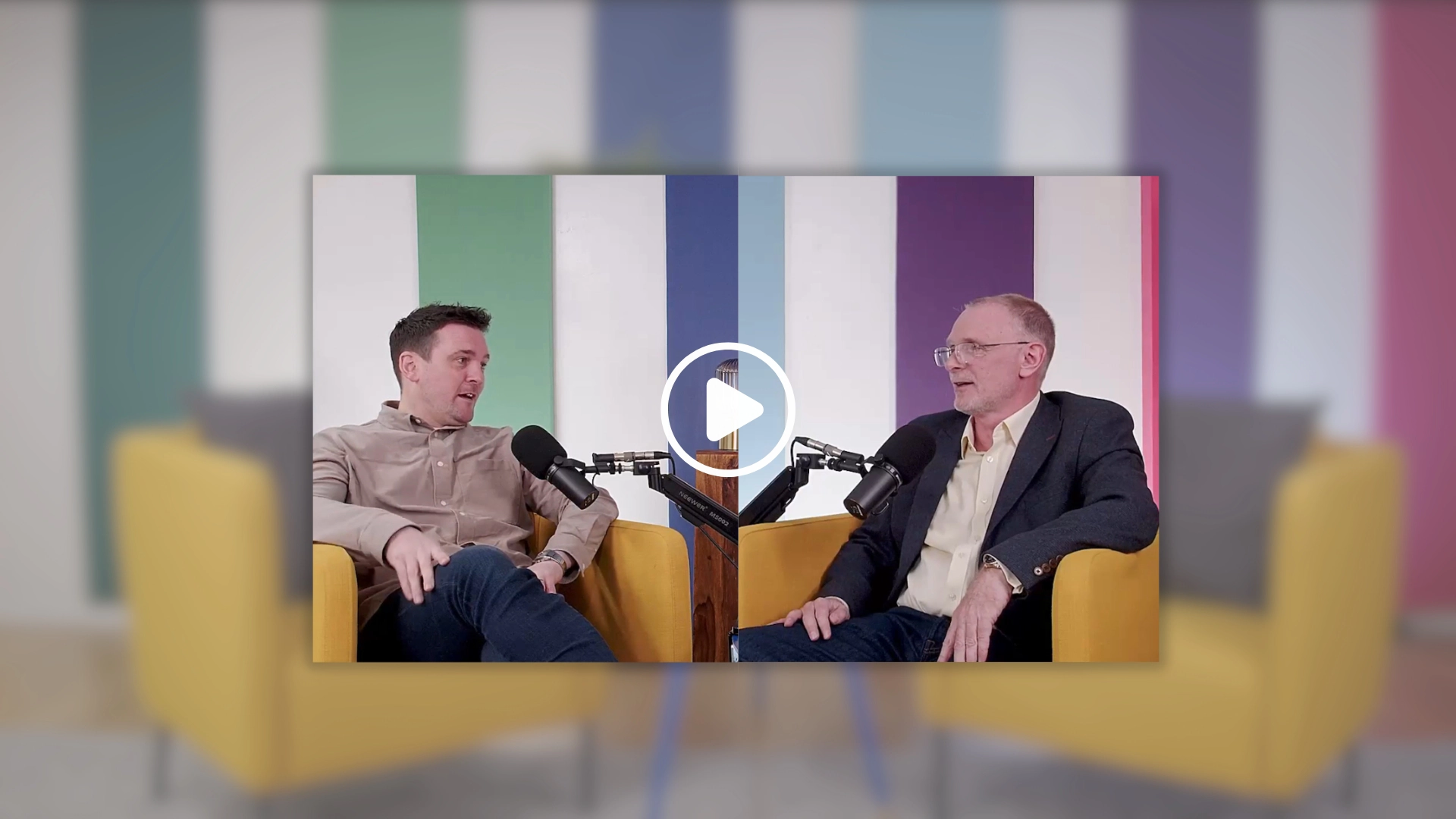
As Stephen J O’Brien, Cx Manager, puts it: “We’re seeing this play out very clearly in markets across Europe. Power is no longer something that gets resolved later in the design process. It's a front-end decision.”


“More and more, power strategy is something clients are tackling right at the start - not something handed off later to engineering. Time to power has become a real differentiator.”
Stephen J O'Brien
Cx Manager - Europe
It is a consistent pattern across European projects, where clients are rethinking how power is secured, integrated and managed from day one.
On-site generation moves to centre stage
In response, on-site energy generation is shifting from contingency planning to a core part of data centre strategy.
Hybrid approaches are becoming increasingly common. These include-combining grid supply with on-site generation, battery storage and private wire connections. In the Netherlands, Denmark and Belgium, private wire solutions linked to renewables are already enabling projects to move forward despite grid limitations.
For clients, the advantages are immediate:
- Faster access to power
- Reduced exposure to price volatility
- Greater control over long-term energy strategy
Battery energy storage systems (BESS) are also taking on a more strategic role. BESS support resilience, enable peak shaving and allow operators to respond more dynamically to market conditions.
Engineering for a more integrated energy model
From a delivery perspective, this shift is driving rapid innovation in how facilities are designed. PM Group is seeing several engineering approaches gaining traction:
- Integrated energy campuses – combining generation, storage and grid supply into a single coordinated system
- Fuel-flexible infrastructure – enabling transition to lower-carbon fuels, including hydrogen over time
- Advanced power modelling and controls – allowing clients to simulate scenarios, optimise dispatch strategies and validate performance early
- Higher temperature electrical and cooling architectures – improving efficiency and future-proofing assets
The growing reliance on modelling and simulation is particularly important. Dynamic analysis is enabling more accurate performance predictions. Both support better-informed design decisions, reducing operational risk and overdesign.
These approaches are especially relevant in Germany and Poland, where grid and regulatory pressures are accelerating innovation. Also in Finland and Switzerland, where long-term resilience is a key priority.
Start with energy
The key lesson for data centre clients is clear: energy strategy must be addressed at the very outset of a project.
It needs to be developed holistically, alongside site selection, building design and programme planning. Treating power as a late-stage utility decision introduces unnecessary risk - impacting cost, schedule and overall viability.