
From compliance to intelligent, continuous control


Thermal validation plays an essential role in protecting product quality and patient safety.
It provides documented evidence that temperature-controlled environments and systems perform as required. It ensures that conditions are suitable for product storage, processing and transport.
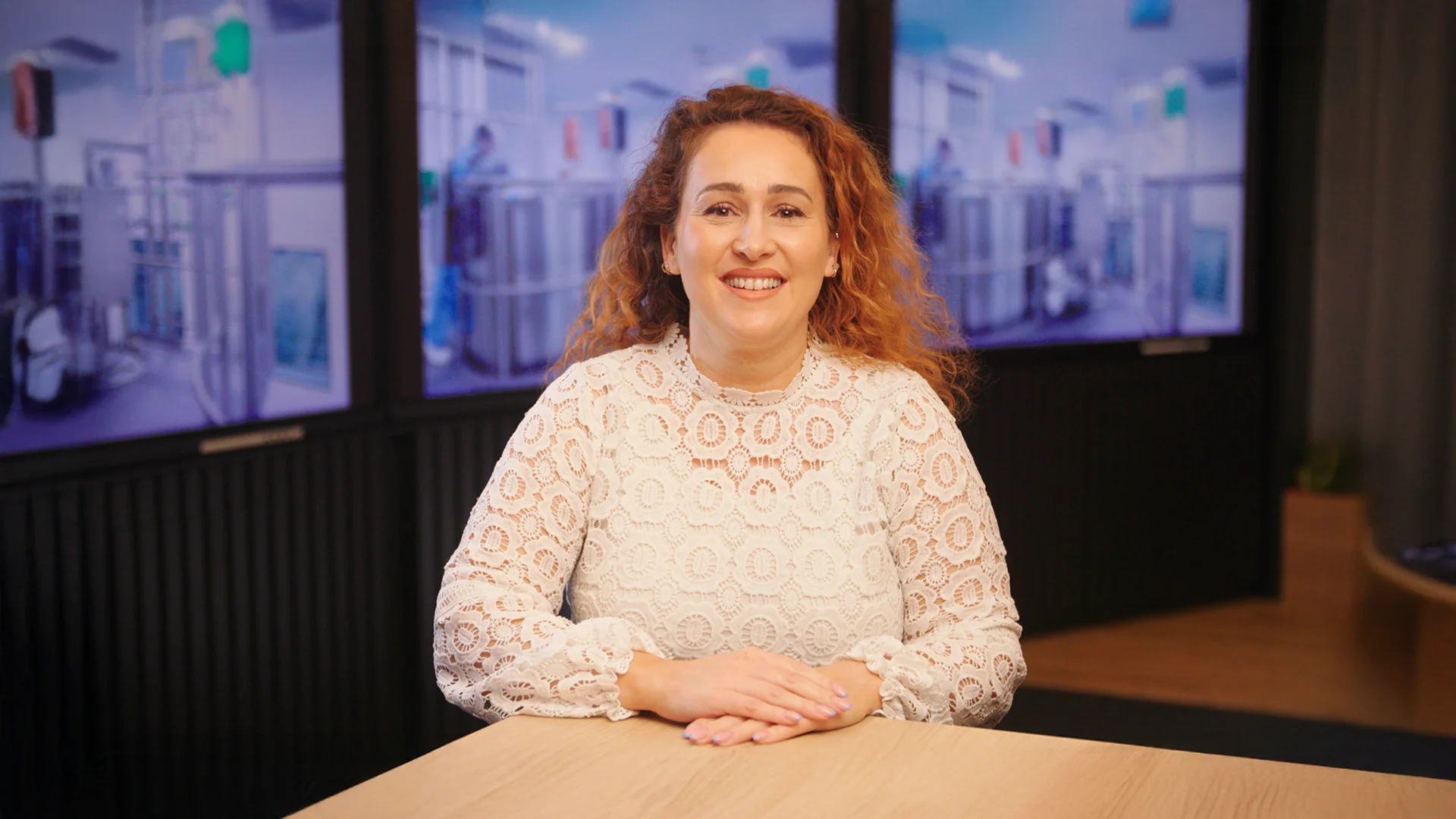
"As digital tools and data capabilities continue to develop, the way thermal validation is planned, executed and interpreted is also evolving," says Helena Wilson.
From periodic mapping to continuous insight
Traditionally, thermal mapping has been performed at defined intervals to demonstrate that temperature-controlled environments operate within established limits. These studies continue to be a key part of qualification, periodic review and change management activities.
Today, thermal mapping is increasingly supported by larger datasets, improved monitoring technologies and broader analysis of temperature information. This provides a deeper understanding of system performance over time, helps to identify short-term fluctuations and increases confidence in both study results and ongoing control.
Enabling smarter, proactive control
Advances in sensors, digital platforms and data analytics are transforming thermal validation programmes. Instead of relying solely on manual reviews of historical data, teams can use digital tools to analyse large datasets more efficiently, identify potential risks earlier and make more informed decisions.
When thermal validation is managed within electronic validation platforms such as Kneat, study data and supporting documentation can be controlled through structured digital workflows. This improves traceability, streamlines review and approval processes, and provides greater visibility across the validation lifecycle.
Emerging data-driven technologies can also support the review process by identifying patterns, highlighting areas that require further investigation, and strengthening risk-based decision-making.
As with any GMP-related technology, their use should remain appropriately governed and compliant.
Moving towards predictive validation
As technology continues to develop, thermal validation is evolving from periodic testing towards a more predictive approach. Advanced analytics and scenario modelling can help organisations understand how systems may perform under different operating conditions, allowing teams to identify potential issues before they result in deviations or out-of-trend events.
This supports stronger operational control, more effective risk management and a well-maintained state of compliance.
Looking ahead
At PM Group, thermal validation is evolving alongside the industry's broader digital transformation.
By combining engineering expertise with structured data analysis and appropriately applied digital technologies, the focus is expanding beyond standalone studies.
The change is towards deeper process understanding, improved decision making and continuous improvement.
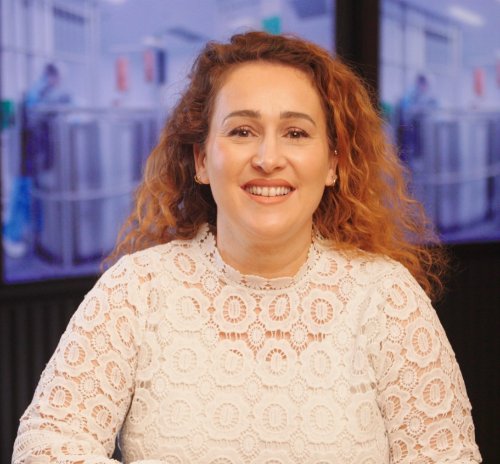

“The future of thermal validation will be increasingly connected, data-driven and intelligent."
Helena Wilson
CQV Manager