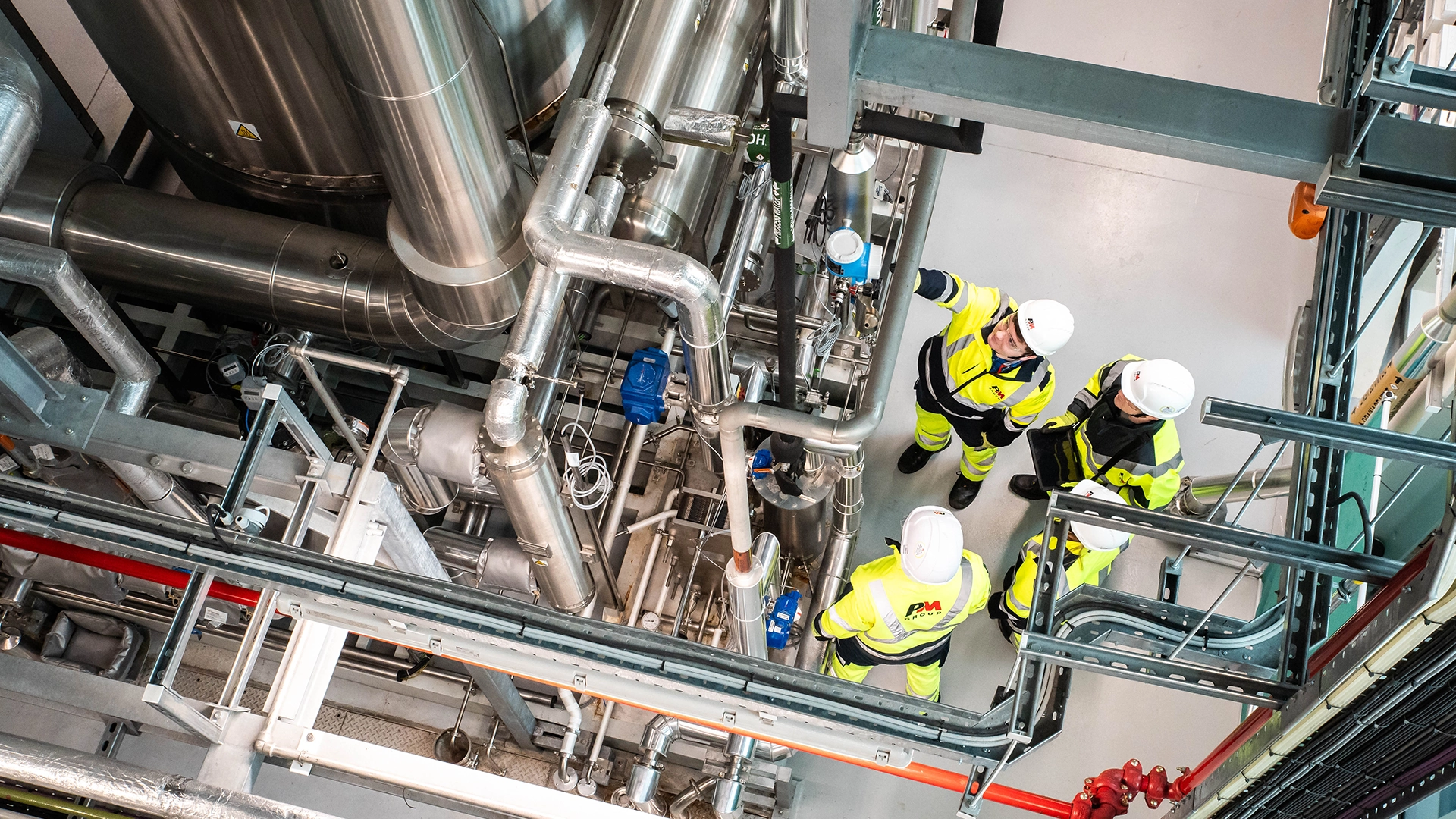


Essential to keep chemical manufacturing sites safe and compliant


Process Hazard Analysis (PHA) revalidation is essential to keep chemical manufacturing sites safe and compliant. Systematic updates ensure each PHA reflects current operations, risks and safeguards.
As facilities age and processes evolve, hazardous material and operational risks also change. Without regular PHA revalidation, sites may face a higher chance of fires, explosions or chemical releases.
These incidents can cause injury, harm the environment and lead to regulatory penalties. They can also damage an organisation’s reputation.
Reducing risk and strengthening compliance
A structured revalidation programme brings major benefits. Regular review of hazard identification and risk assessments helps organisations to proactively address both existing and emerging risks.
The revalidation process ensures that changes to processes, equipment or procedures are properly assessed. This reduces the likelihood of such changes introducing unforeseen hazards.
Reviewing safety measures and their effectiveness against hazards improves site and community safety enhancing operational reliability and minimises costly incidents.
It demonstrates regulatory compliance, providing evidence of due diligence to regulators. As a result, the organisation’s reputation as a responsible chemical sector operator is reinforced.
“Risk assessments become outdated without a strong revalidation programme. Undetected incremental change can compromise safety and regulatory compliance for sites".
Paul Young
Barriers to effective revalidation
Many sites struggle to implement PHA revalidation programmes. Limited internal resources and competing priorities make it difficult to dedicate the required time and expertise.
Older systems and incomplete documentation can slow the process. Changing regulations may also require extra training for personnel.
Organisations can also struggle to secure stakeholder buy-in and maintain momentum throughout the revalidation cycle.
How PHA Revalidation is executed
PHA revalidation usually takes place every five years. It involves reviewing and updating past hazard analyses. The results reflect changes, incidents and procedural updates since the last study.
An experienced PHA facilitator leads the process and records information using appropriate software.
A multidisciplinary team participates in the revalidation. This typically includes process engineers, safety specialists, and operations and maintenance staff.
What the review focuses on
- Changes made during the intervening period, including both engineering and revised procedural changes
- Cumulative effect of incremental changes
- Incident/Near miss reviews and updated safety information since the last study
- Any revised standards or regulatory requirements


"PHA revalidation turns accumulated change into clear insight. It helps organizations to identify emerging risks, strengthen safeguards and maintain safe, compliant and reliable operations."
Paul Young
Senior Process Safety Engineer