
Reducing current and future contamination control risks in sterile manufacturing facilities
Annex 1 compliance is now a strategic priority for sterile manufacturers. It places greater focus on contamination control, Quality Risk Management (QRM), facility lifecycle management and the effectiveness of the Contamination Control Strategy (CCS).
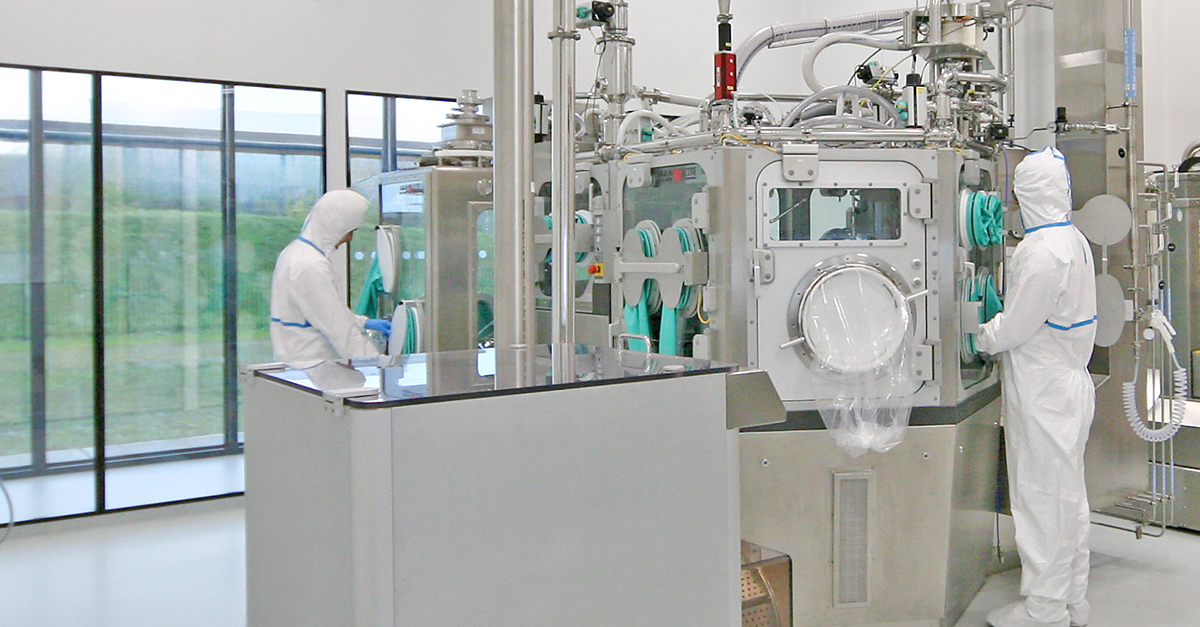
Many sterile manufacturing, aseptic processing, ATMP, and supporting critical component supply chain facilities were designed before the latest Annex 1 requirements. While operationally successful, they may incorporate ageing infrastructure, legacy equipment, or older facility designs. These factors can introduce contamination control vulnerabilities that impact compliance, efficiency, business continuity and future investment decisions.
PM Group’s structured Annex 1 assessment identifies compliance gaps, contamination risks and improvement opportunities, helping organisations to maintain inspection readiness and support long-term goals.
Why ‘Readiness’ matters
Facility leaders are increasingly asked to demonstrate not only compliance with Annex 1, but also that existing facilities, utilities, equipment, and manufacturing processes remain fit for purpose throughout their operational lifecycle.
PM Group’s Annex 1 assessment enables organisations to:
- Identify contamination control vulnerabilities across facilities, processes and supply chains.
- Prioritise remediation and risk-reduction initiatives based on patient safety, product quality, and regulatory risk.
- Support CAPEX planning and lifecycle management programmes.
- Strengthen inspection readiness through improved alignment of engineering controls, operational practices, supplier management, and the CCS.
- Develop practical roadmaps for sustainable compliance and operational resilience.
Moving beyond compliance
For many organisations the challenge is not ineffective processes. It is demonstrating that existing facilities can consistently control contamination risks to meet current and future regulatory expectations.
Our structured Annex 1 assessment provides leadership teams with clear insights to help prioritise investment, reduce risk and improve operational performance. It also supports a sustainable path to long-term compliance and business success.